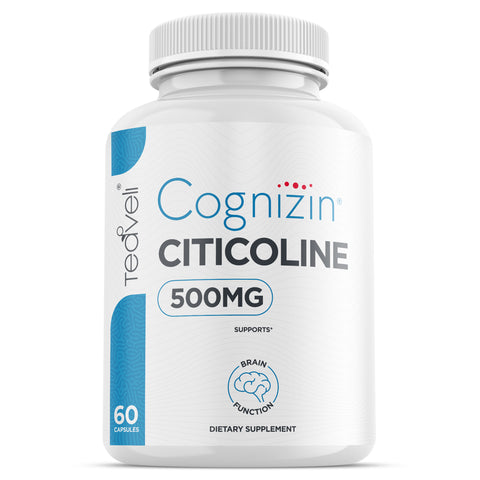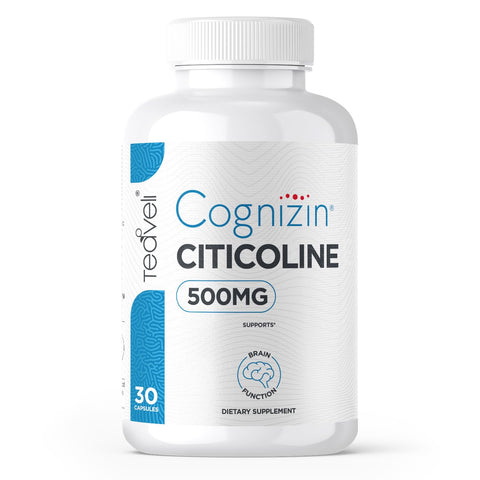
What Makes a Quality Supplement? The Importance of Testing, Transparency and Science

Choosing a nutritional supplement should involve more than looking at the front of a bottle. The ingredient list, the amount of each ingredient, the quality checks behind the product and the information a brand shares all matter. A quality supplement should be built around clear formulation decisions and quality practices that consumers can understand and verify.
1. Third-Party Testing: Quality You Can Verify
A supplement can look well presented, but appearance alone cannot tell you whether its contents meet the required specifications. Testing is an important part of quality control because it helps assess whether a product meets defined standards for identity, strength, purity and other relevant quality parameters.
Third-party laboratory testing adds an additional layer of assessment by involving a laboratory independent of the brand. Depending on the product and the testing programme, analyses can help check ingredient identity and potency, as well as screen for specified contaminants. The exact tests performed matter: a general statement that a product is 'tested' is less informative than explaining what is tested, how often testing takes place and which standards are applied.
Batch-level testing is particularly relevant because it checks production lots rather than relying only on a one-time assessment. Consumers should look for clear information about the brand's testing process and, where available, batch-specific reports or certificates.
2. Science-Led Ingredient Selection
The presence of a popular ingredient does not automatically make a supplement worthwhile. Ingredient selection should start with a clear purpose: what is the formulation designed to support, and what does the available research say?
Scientific research can help explain how an ingredient has been studied, what outcomes have been observed and where the evidence is still limited. It is also important to distinguish between research on an individual ingredient and clinical trials on the finished product. Evidence for one ingredient does not mean that every product containing it has been clinically tested or will produce the same results.
A responsible, science-led approach considers the quality and relevance of the available studies, the population studied, the form of the ingredient and the amount used. It also communicates limitations rather than presenting early or mixed findings as settled facts.
3. Why Dosage Matters
An ingredient name on a label tells only part of the story. The amount included in the formulation also matters. Research findings are tied to particular forms, amounts, study designs and groups of people; a different formulation or dosage cannot automatically be assumed to have the same effect.
This is why dosage decisions should be informed by relevant scientific evidence, product purpose, safety considerations and applicable regulations. More is not necessarily better. A well-considered formulation aims to use appropriate amounts and clearly disclose them so consumers can make informed decisions.
4. Transparency Builds Consumer Trust
Transparency means giving consumers useful information rather than relying on broad marketing claims. Clear labels, complete ingredient information, disclosed dosages and an understandable explanation of quality checks make it easier to evaluate a product.
Brands should be precise about what has been tested and what the evidence supports. For example, ingredient-level research should not be described as a clinical trial of the finished product. Likewise, a claim that every batch is independently tested should be made only when the brand's documented testing program supports it.
Good communication also includes acknowledging what is not yet known. No supplement should be presented as a substitute for a balanced diet, healthy habits or appropriate medical care.
5.Commitment to Better Supplement Standards
At Teaveli, we believe that choosing supplements should be an informed decision. That means paying attention to ingredient quality, formulation choices and the checks used to assess products. Our approach places importance on independent testing and on communicating product information clearly. Specific testing claims should always reflect the documented process followed for the relevant product and batch.
We see a similar emphasis on research, considered dosages and quality practices at The Oak Age. Its focus on evidence-informed formulations and product quality reflects a shared belief that supplements should be developed thoughtfully, with attention to the science behind ingredients and the amounts used.
Formulations informed by clinical research, with attention to the evidence behind individual ingredients and their dosages, are a more meaningful standard than simply calling a product 'science-backed'. The strength of any claim should match the evidence available for that specific ingredient, formulation and product.
Choosing Quality with Confidence
A quality supplement is not defined by a single ingredient or a persuasive label. It is the result of several decisions working together: selecting ingredients for a clear reason, considering the evidence behind their forms and dosages, applying appropriate quality checks and sharing information honestly.
When comparing supplements, look beyond the headline claims. Check the ingredient amounts, ask what testing is performed, understand whether research relates to an ingredient or the finished product, and choose brands that communicate clearly. Better information helps people make more confident choices.